How Norwalk Property Tax Actually Works
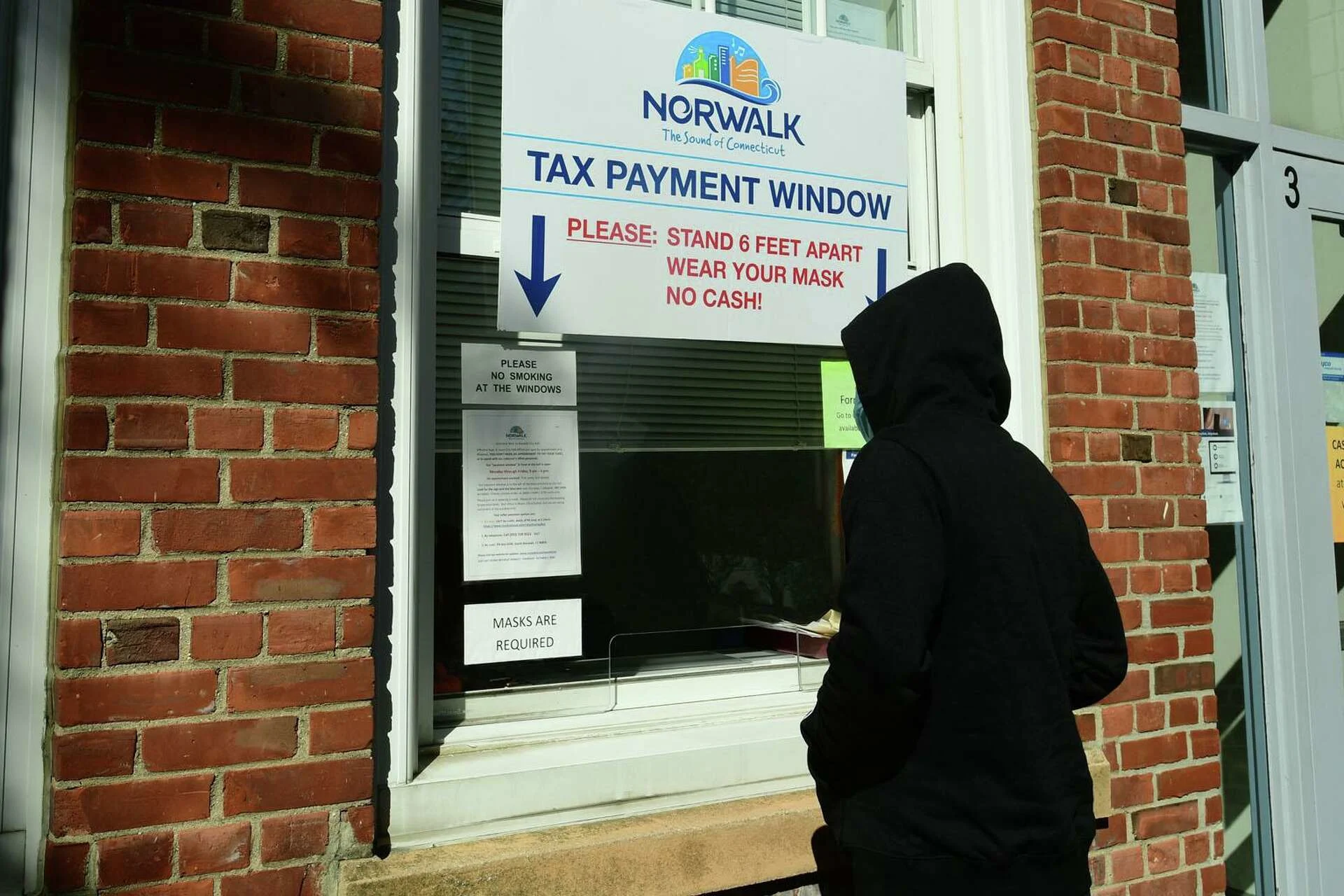
Credit: thehour.com
Your property taxes in Norwalk, CT, are built on two things: assessed value and mill rates.
Formula: Your assessed value × mill rate system determines your tax bill.
Your assessed value is what the city says your property is worth for tax purposes, not your sale price or Zillow estimate.
After a revaluation, Norwalk historically sets assessments at 70% of fair market value. This is true whether you are looking at the best places to live in Norwalk, CT, or anywhere across Norwalk.
So if your home sells for $500,000, your assessed value is roughly $350,000.
Now the mill rates.
A mill equals one dollar per one thousand dollars of assessed value.
If the mill rate is 30, you pay $30 for every $1,000 of assessed value.
Here is the formula.
Annual Tax = (Assessed Value/ 1000) ×Mill Rates
Let’s run a real example together.
Your home has a market value of $500,000. The assessed value is 70% of that, which is $350,000.
(350,000/ 1000)×30 = $10,500 per year
Divide by 12. That is $875 per month.
This number shows up in your mortgage payment. And it matters for your cost-of-living calculation.
Understanding your Norwalk, CT property tax rate is the first step to smart real estate decisions in Fairfield County.
How Norwalk Compares to Neighboring Towns
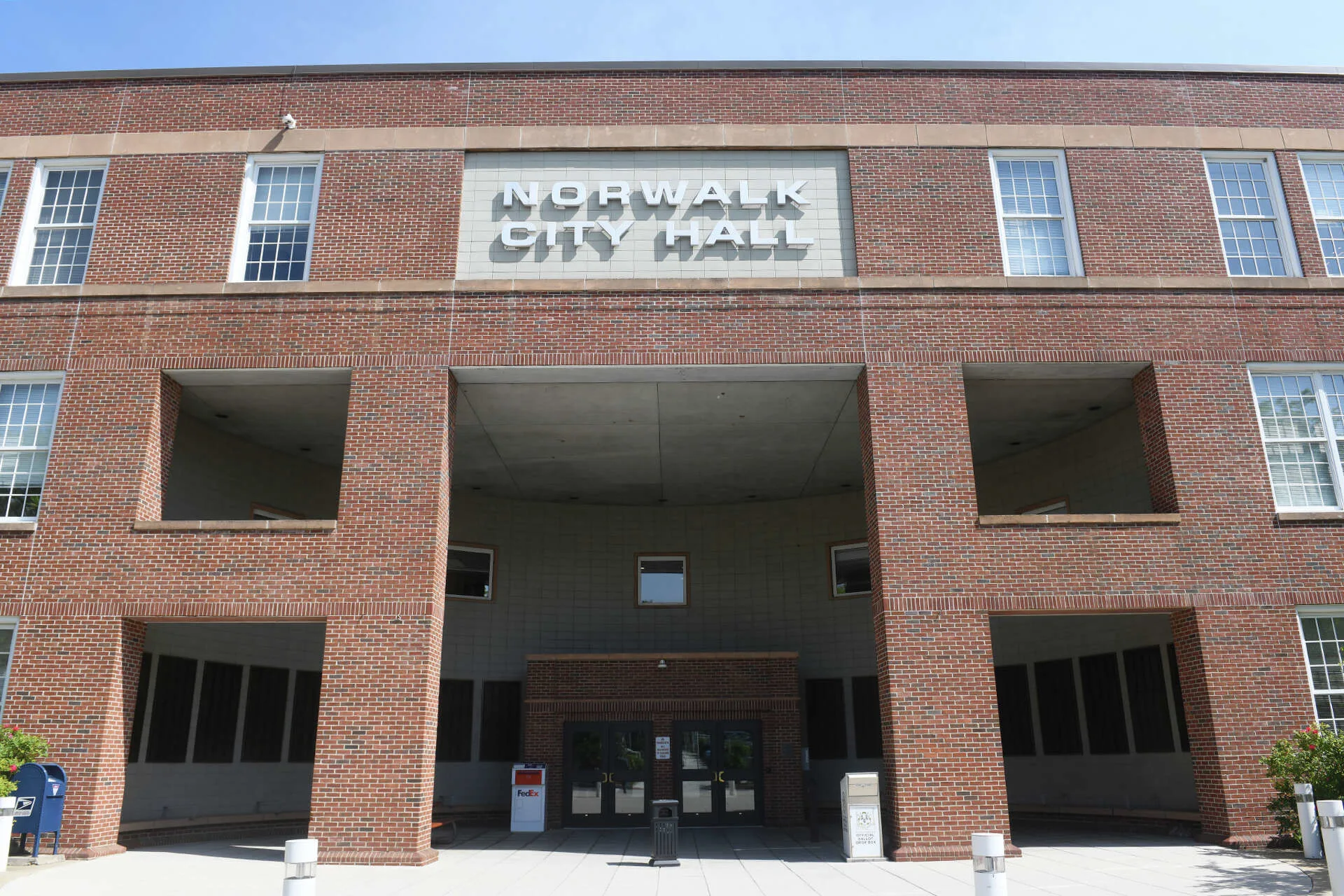
Credit: thehour.com
A lot of people see the Norwalk property value and panic.
“It’s so much higher than Darien! Or New Canaan!”
But that comparison is incomplete. Let me show you why.
Yes, Norwalk’s mill rate is higher than that of those towns. But those towns have much higher home prices. So their assessed values are higher, too.
Here is a side-by-side example.
A $400,000 home in Norwalk at 70% assessment and a 30 mill rate:
(280,000 / 1,000) × 30 = $8,400 per year
A $1,000,000 home in Darien at 70% assessment and a 15 mill rate:
(700,000 / 1,000) × 15 = $10,500 per year
Despite lower mill rates, expensive home values in neighboring towns often result in higher total taxes.
Three Things That Change Your Tax Bill

Credit: theentrustgroup.com
Your Norwalk property tax is not static. Three things can shift it.
Revaluations
Norwalk updates assessed values periodically. Rising home prices increase assessed values, but mill rates may adjust to balance budgets.
Revaluation does not automatically mean higher taxes.
The City’s Annual Budget
The mill rate is set each fiscal year starting July 1. Budget increases may raise taxes; spending control may stabilize them.
Exemptions and Credits
Norwalk offers exemptions for:
- Seniors
- Veterans
- Disability-qualified property owners
Contact the Norwalk Assessor’s Office to check eligibility.
The Hidden Monthly Cost Most Buyers Ignore
Property taxes are typically escrowed into monthly mortgage payments.
This means even small tax increases impact monthly budgets directly.
Example:
$600 yearly increase = $50/month increase
Escrow vs. Paying Directly: Which Is Better?

Credit: medium.com
You have two options when it comes to tax payment for your Norwalk property.
Option 1: Escrow through your lender
Your lender collects a monthly slice of your annual tax bill with your mortgage payment. They pay the tax collector on your behalf.
Easy and hands-off. You never miss a deadline.
The downside? Your monthly payment can change each year. If property taxes go up, your payment goes up with it.
Option 2: Pay directly to the city
The tax collector sends you a bill. You pay it yourself, usually in two installments.
More control, but more responsibility.
Miss a tax payment, and you face penalties. Set calendar reminders, keep reserves ready.
Neither option is universally better. It depends on your cash flow style.
Talk to your lender, understand both, and then decide.
And if you are curious how another Connecticut town handles the same system, you might find it useful to compare Norwalk’s setup with Manchester, CT’s property tax. Different mill rates, different budgets, same fundamental formula. Seeing both side by side can sharpen your understanding of your own tax bill.
How to Appeal Your Norwalk Property Tax Assessment

Credit: iconpropertytax.com
Steps to appeal:
- Get your property record card from the assessor
- Check for errors in property details
- Collect comparable home sales
- Consider a professional appraisal
- File with the Board of Assessment Appeals before the deadline
A successful appeal lowers your assessed value and your tax bill.
Your Complete Norwalk Property Tax Buyer Checklist
Before you finalize any offer in Norwalk, CT, go through this list.
Every single item.
- Get the most recent tax bill from the seller or listing agent. Not last year’s. The current one.
- Check the assessed value on the Norwalk Assessor’s public database. Confirm it matches what the agent says.
- Verify the current mill rate. It changes every July 1. Get it from the City of Norwalk, CT’s official budget or tax collector page.
- Ask about the last revaluation date. And whether another one is scheduled.
- Request the prior year’s tax bill, too. Look for trends. Did property taxes jump recently?
- Check exemption eligibility. Senior, veteran, disability. Ask the Assessor’s Office.
- Talk to your lender about escrow. Understand how much they will collect monthly. Factor it into your budget.
- Budget with a cushion. Property taxes rarely go down. Plan for them to creep up over time.
This checklist takes 30 minutes. It can save you thousands.
Norwalk Property Search and Rental Property Considerations
Property taxes impact both homeowners and investors. Whether buying or renting, taxes affect affordability and rental pricing.
Areas like East Norwalk vary in value based on proximity to amenities and waterfront access.
Property Management and Long-Term Ownership

Credit: revolutionrentalmanagement.com
If you are considering rental property investments or Norwalk property management, understand that property taxes are a major operating expense.
Every property owner should track property tax transfers when buying or selling. The tax collector will provide documentation during closing.
Monitor Norwalk property values over time. When values rise, your property tax rate may follow at the next revaluation.
Good property management company practices include setting aside money monthly for predicted tax bill increases.
The Big Picture
So, is the Norwalk property tax too high?
Compared to national averages, yes. But compared to nearby Fairfield County towns, Norwalk often provides better entry value due to lower home prices.
The key is understanding total cost, not just tax rates.
Frequently Asked Questions
Do not let confusion about Norwalk property tax cost you thousands; get clarity with these questions.
What is the current Norwalk property tax mill rate?
The mill rate changes every fiscal year, starting July 1. Check the City of Norwalk’s official website or tax collector page for the latest rate.
How is the Norwalk property tax calculated?
Assessed value ÷ 1,000 × mill rate = annual tax. Divide by 12 for the monthly cost.
Can I appeal my Norwalk property tax assessment?
Yes. You must provide evidence like comps or appraisals and file before the appeal deadline.
Does Norwalk offer any property tax exemptions?
Yes. Seniors, veterans, and disabled homeowners may qualify. Contact the assessor’s office.
Will my Norwalk property tax change after I buy?
Yes. Revaluations, budget changes, and mill rate adjustments can all affect your tax bill over time.